

2026 Costs for Medicare Part A and Part B
Whether you're new to Medicare or reviewing your coverage for the year ahead, knowing what Part A and Part B will cost in 2026 can help you avoid surprises. Costs can shift from year to year, and even small changes can impact your monthly budget, especially when you're on a fixed income. It can feel a little overwhelming, but you're not alone. Below, we'll outline the key Medicare costs for 2026, so you can stay informed and prepared.
What Is Medicare Part A and Part B?
Before we jump into the various costs associated with the different parts of Original Medicare, let's have a quick refresher on what they are and what they cover.
Medicare Part A: The first part of Original Medicare, which is commonly referred to as hospital coverage (inpatient care, skilled nursing, hospice).
Medicare Part B: The second part of Original Medicare that covers many medical expenses such as doctor visits, outpatient care, preventive services and more.
Learn More About Original Medicare:
What is Medicare Part A and What Does it Cover?
Medicare Part B: What Does it Cover?
Medicare Part A Costs for 2026
Part A Premiums
For most individuals, Medicare Part A does not have a premium. However, for some individuals who did not contribute to Medicare taxes during their working years, they may have to pay a premium.
Medicare Part A premiums in 2026 depend on your work history:
Reduced Part A premium:
Applies to individuals with 30–39 quarters of Medicare tax contributions, or those married to someone with that work history.
$311 per month in 2026 (up $26 from 2025)
Full Part A premium:
Applies to individuals with fewer than 30 quarters of coverage or certain uninsured individuals with disabilities.
$565 per month in 2026 (up $47 from 2025)
Source: CMS.gov Newsroom Fact Sheets
Part A Deductible
Medicare Part A has a deductible, which for 2026 is set at $1,736. This deductible is required when you’re formally admitted to the hospital and applies to Medicare Part A coverage. It covers inpatient care such as hospital stays, time spent in a skilled nursing facility, and other services connected to your inpatient treatment.
The deductible is based on a benefit period rather than paid annually (once per calendar year), which means that you may need to reach this deductible more than once with multiple hospital admissions.
Part A Coinsurance and Hospital Stay Costs
In addition to the Part A deductible, there are also copays and coinsurance payments that are required for individuals who surpass 60 days admitted in a hospital or 20 days in a skilled nursing facility.
Hospital Admittance Copays and Coinsurance:
- Days 1-60: $0 after you pay your Part A deductible.
- Days 61-90: $434 each day.
- Days 91-150: $868 each day while using your 60 lifetime reserve days.
- After day 150: You pay all costs.
Skilled Nursing Facility Copays and Coinsurance:
- Days 1-20: $0.
- Days 21-100: $217 each day.
- Days 101 and beyond: You pay all costs.
Source: https://www.medicare.gov/basics/costs/medicare-costs
Medicare Part B Costs for 2026
Standard Part B Monthly Premium
Medicare Part B has a standard monthly premium that most beneficiaries pay, and this amount frequently changes year to year. In 2026, the standard Medicare Part B premium is $202.90.
Income-Related Monthly Adjustment Amount (IRMAA)
However, the Part B premium depends on an individual's income and is based on their Adjusted Gross Income from 2 years ago. For those who have an income-related monthly adjustment amount to their Part B premium, they could end up paying anywhere from $284.10 to $686.90.
Check here for the full chart and breakdown of the Medicare Part B premium amounts.
Part B Deductible and Coinsurance
Medicare Part B has a deductible, which for 2026 is set at $283. This deductible applies to most Part B covered services, such as doctor appointments, specialist appointments, diagnostic services and more. There are many preventive tests, screenings, and vaccinations that are not subject to the deductible.
Typically, you are responsible for 20% of the cost for each Medicare-covered service or item once you have paid your deductible, provided that your doctor or healthcare provider accepts the Medicare-approved amount. Many preventive services are not subject to the 20% cost sharing and will be covered at a $0 copayment.
Ready to Learn More?
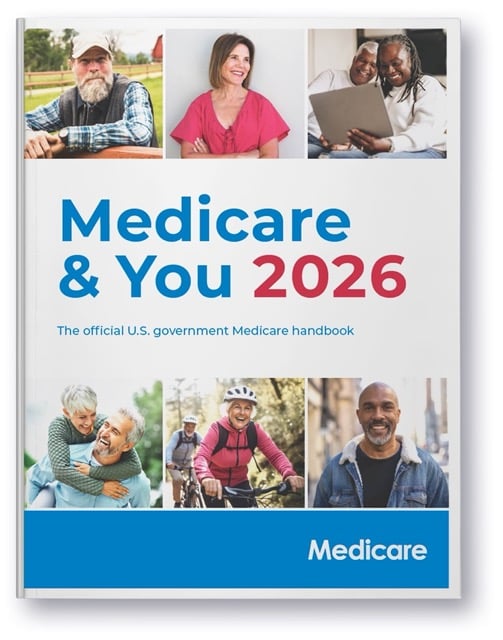
Get the official guide to Medicare with a comprehensive breakdown of coverage options, plan types, covered benefits, and frequently asked questions.
How Medicare Part A and B Costs Work Together
Medicare Part A and Part B work together to cover a variety of healthcare costs for beneficiaries. When you receive care, both parts may apply, leading to certain out-of-pocket expenses. For instance, a hospital stay may involve both inpatient care covered by Part A and follow-up outpatient services billed under Part B. Beneficiaries may incur costs such as deductibles, copayments, and coinsurance, depending on their specific healthcare needs.
One important point to note is that Original Medicare does not have an out-of-pocket maximum on what you pay for healthcare expenses. This means there is no cap on what beneficiaries might pay in a year, which is why many enrollees consider supplemental insurance options, such as Medigap or Medicare Advantage, to help cover these potential costs.
Other Costs to Consider Beyond Part A and Part B
For most individuals, Original Medicare Parts A and B alone do not meet all their health care needs. This is why many individuals elect additional coverage, such as a Medicare Advantage Plan, a Medicare Supplement (Medigap) policy, and/or a Part D plan for prescription drug coverage. Though these additional coverage options typically (but not always) require separate monthly premiums, they can play an important role in managing healthcare and prescription expenses.
How Can Medicare Advantage Plans Have No Premium Cost?
How to Plan for Medicare Costs in 2026 and Beyond
Because Medicare costs, coverage and plan availability can change every year, it can be exceptionally valuable to get professional guidance during the Annual Election Period (AEP) so you can understand potential upcoming changes, how they will impact you and if making adjustments to your current enrollment is in your best interest.
Did you miss AEP but still want to know if there are more affordable plan options for you? There may be other opportunities available for you to change coverage, including the Medicare Advantage Open Enrollment Period MA OEP which runs from January 1st through March 31st and allows those enrolled in a Medicare Advantage Plan to make one change to their enrollment. Outside of these enrollment windows, there may still be a chance to make changes and find coverage that better fits your budget.
Reach out to our trusted team of Medicare agents today to discuss your options.

Medicare Budgeting Tips
Look Beyond Original Medicare
Most seniors will enroll in additional coverage such as Medicare Advantage, Medigap, or Part D, which can help manage costs but may have a premium, plus copays and coinsurance.
Expect Yearly Cost Changes
Medicare premiums and deductibles often increase each year, so leave room in your budget.
Don't Forget Prescription Costs
Prescription drug prices, deductibles and coverage can also change each year.
Set Aside Funds for Healthcare
It's not if, but when unexpected medical-related expenses will occur. Beyond plan premium costs, it's important to have funds available to cover your deductibles and copays.
Plan for Non-Covered Services
Original Medicare doesn't cover most dental, vision, and hearing services, so you will want additional coverage or plan to pay out-of-pocket.
Review your Coverage Annually
Rechecking your plan, especially when annual notice of change (ANOC) documents are sent out, allows you to recognize plan changes and can help control costs over time.
Review Your Medicare Coverage To Prepare for Changes
Common Questions About Medicare Costs
Have Medicare Part A and Part B costs changed in 2026?
Yes, Medicare premiums increased across the board for the majority of individuals from 2025 to 2026.
Is Medicare Part A always free?
No, Medicare Part A is not always free. For individuals who worked 10 years and contributed to Medicare taxes, there will be no charge, but for those who did not, they will pay a premium for Medicare Part A.
Does everyone pay the same Part B premium?
No. Medicare Part B premiums vary based on income, and high earners may have an Income-Related Monthly Adjustment Amount (IRMMA), which increases their Part B premiums above the standard amount.
How can I reduce my out-of-pocket Medicare costs?
Original Medicare Part A and B have various deductibles and coinsurance associated with covered care. Additionally, there is no max out-of-pocket, which can lead to exceedingly high costs; enrolling in additional coverage such as a Medicare Advantage Plan (MAPD) or a Medicare Supplement (Medigap) plan can help you control costs.
Get Help Understanding Your Medicare Costs
Understanding and managing your Medicare costs can be overwhelming, but you don't have to do it alone. At Twin City Underwriters, we've been helping Medicare beneficiaries like you understand how Medicare works, the various parts, costs, coverage and more.
As experienced Medicare brokers, our team of dedicated agents offer clarity to this confusing topic, helping you compare your plan options and provide personalized guidance and recommendations without any bias.
Schedule a no-obligation, free consultation to learn more, review options, and have your Medicare questions answered.
Sources:
https://www.cms.gov/newsroom/fact-sheets/2026-medicare-parts-b-premiums-deductibles
https://www.medicare.gov/basics/costs/medicare-costs
https://www.twincityunderwriters.com/medicare-coverage-costs
Choosing a Medicare plan can be difficult. Twin City Underwriters helps Medicare recipients in Minnesota, Wisconsin, North Dakota, South Dakota, Iowa and Florida find the Medicare plan that meets their unique needs. Schedule a one-on-one meeting with one of our Medicare insurance brokers to get your questions answered!
Do you need help with Medicare, insurance and health plans? Explore your options with Allina Health Aetna, BlueCross BlueShield of Minnesota, Medica, HealthPartners, United HealthCare and more. We work with you to find the best plan for your needs and budget. Contact us today to get started.